
Uber for Trucks: A Complete Guide to Truck Booking App Development
-
Chirag Vaghasiya
- April 01, 2026
- 6 min read
The global movement of goods is no longer running on outdated systems. It is being rebuilt on technology. What was once a fragmented, manual, and slow process is now turning into a real-time, data-driven ecosystem. At the center of this shift is a powerful idea known as Uber for Trucks.
To understand the scale of this opportunity, consider the numbers: the global logistics market was valued at $322.40 billion in 2025 and is projected to reach $863.62 billion by 2034, driven by rising demand for faster and more efficient supply chains. At the same time, the digital freight brokerage market is expected to expand at a remarkable 27% CAGR, reaching over $24.36 billion by 2030.
These numbers clearly show one thing. Logistics is not just growing; it is evolving rapidly.
Despite this growth, a large part of the industry still struggles with core challenges. Businesses deal with delayed bookings, lack of real-time visibility, unpredictable pricing, and underutilized trucks. In fact, traditional freight systems often fail because they rely heavily on manual coordination and disconnected networks.
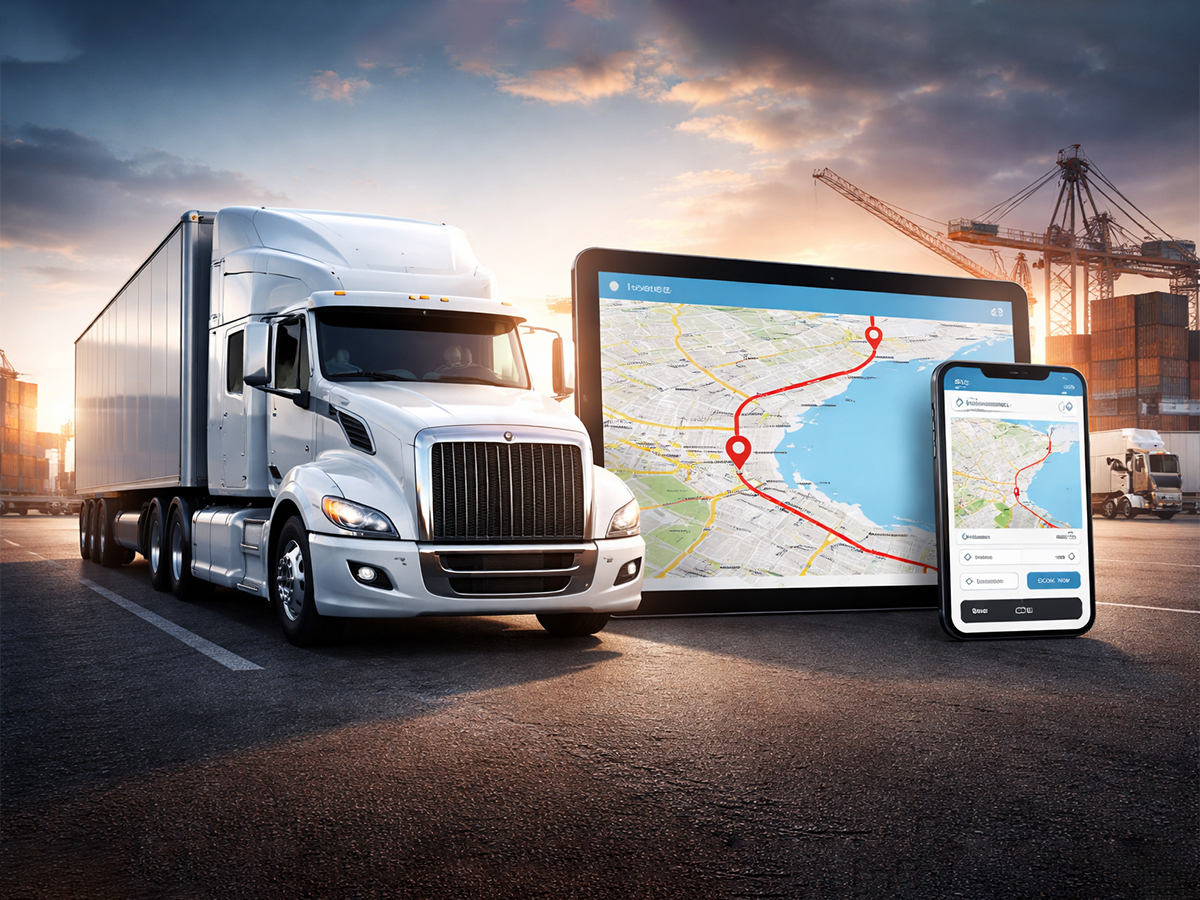
This is exactly where the Uber for Trucks model changes the game. It brings instant truck booking, real-time tracking, and transparent pricing into a single platform. Instead of relying on middlemen and endless calls, businesses can now book a truck in minutes and manage shipments with full control. This is the essence of truck booking app development, designed to simplify operations and improve efficiency.
Platforms like Uber Freight have already proven that this approach works at scale. They are not just improving efficiency; they are redefining how logistics operates in a digital-first world. For businesses looking to build an Uber for trucks app, these platforms serve as a blueprint for success.
For startups and businesses, this shift opens up a massive opportunity. Building a truck booking platform today is not just about entering a market; it is about solving real problems in a multi-billion-dollar industry that is actively looking for smarter solutions.
◉ What is Uber for Trucks
Uber for Trucks is a modern logistics solution that brings the convenience and speed of ride-hailing apps to freight transportation. It connects businesses that need to ship goods with truck drivers in real time, all through a mobile app. Users can book a truck, track shipments, and pay digitally without relying on traditional intermediaries or paperwork.
The platform solves major inefficiencies in the logistics and transportation sector. Traditional freight operations often involve phone calls, manual scheduling, and unpredictable costs, leading to delays and underutilized trucks. Uber for trucking app development eliminates these pain points by providing instant availability of trucks, transparent pricing, and automated scheduling.
The rise of platforms like Uber Freight has demonstrated the real-world impact of this model. Businesses can now optimize routes, reduce empty miles, and manage their freight with complete visibility. According to a recent report, companies using digital freight platforms have reduced delivery times by up to 30% while improving overall fleet utilization.
For small and medium-sized businesses, Uber for Trucks is a game-changer. It allows them to access reliable trucking services without long-term contracts or high upfront costs, leveling the playing field in the logistics sector. For truck owners, it opens up a steady stream of jobs and higher earnings through efficient load matching.
In short, Uber for Trucks is more than just an app; it’s a complete logistics ecosystem designed for speed, transparency, and efficiency in freight movement.
◉ Why the Model is Gaining Popularity
The demand for digital solutions in logistics and transportation is growing rapidly. Traditional freight booking is slow, fragmented, and often unreliable, leaving businesses with delayed shipments and higher costs. Platforms like Uber for Trucks solve these problems by providing instant truck availability, real-time tracking, and transparent pricing.
E-commerce growth is a major driver. Global online sales are projected to exceed $3.88 trillion by 2026, putting pressure on logistics networks to deliver faster and more efficiently. On demand truck booking apps help businesses meet this demand with minimal effort.
Cost efficiency is another reason. Empty return trips and inefficient routes have long caused revenue loss in trucking. Digital freight solutions like Uber Freight can reduce empty miles by up to 20 percent and improve fleet utilization.
The model benefits both businesses and drivers. Shippers get reliable trucks quickly, while drivers have steady work and transparent earnings. This combination explains why Uber for Trucks is gaining rapid adoption in the logistics sector.
◉ Key Features of an On Demand Truck Booking App
A top-tier on demand truck booking app must offer functionality for shippers, drivers, and administrators, creating a seamless experience for the entire logistics ecosystem. The platform’s success depends on convenience, speed, and transparency. Here are the key features that make it stand out:
For Shippers:
- Instant truck booking with multiple vehicle options
- Real-time GPS tracking of shipments
- Transparent pricing and dynamic fare calculation
- In-app notifications and alerts for status updates
- Digital payments with multiple methods
- Shipment history and reports
- Route optimization suggestions
- Customer support and chat options
For Drivers:
- Easy registration and profile management
- Job notifications with instant accept/reject options
- Route guidance and real-time navigation
- Earnings tracking and instant payment options
- Ratings and reviews for credibility
- Vehicle availability scheduling
- Fuel and maintenance tracking for fleet efficiency
Admin Dashboard:
- Comprehensive user and driver management
- Trip monitoring and fleet analytics
- Commission and payment tracking
- Fraud detection and security management
- Reporting tools for operational insights
- Integration with ERP, warehouse, or inventory systems
Additional Advanced Features:
- AI-based route optimization to reduce empty trips
- Load matching algorithm for maximum truck utilization
- Multi-language support for regional operations
- API integration for third-party logistics partners
- Cloud-based architecture for scalability and reliability
These features are what make freight booking app development highly efficient and widely adopted. By combining real-time tracking, easy booking, and intelligent automation, the platform ensures faster deliveries, lower costs, and better service for both shippers and drivers.

◉ How Much Does It Cost To Build an Uber For Trucking App
One of the first questions businesses ask is, “What is the cost to develop an Uber for trucking app?” The answer depends on the complexity, features, and technology choices you make. Understanding these factors helps you plan your budget effectively.
1. Features and Functionality
The more features you include, the higher the cost. Core features like instant truck booking, real-time tracking, payments, and notifications form the foundation. Advanced features such as AI-based route optimization, automated load matching, analytics dashboards, and integration with ERP or warehouse systems will increase development costs.
2. Platform Choice
Developing for both Android and iOS will cost more than creating a single platform. Cross-platform development can reduce costs, but native apps generally offer better performance and user experience.
3. Design and User Experience
A clean, intuitive design improves adoption and retention, but high-quality UI/UX design comes at a higher cost.
4. Technology Stack and Backend
A scalable, cloud-based backend with secure payment integration and real-time tracking is essential. Using advanced technology for GPS, notifications, and database management adds to development expenses.
5. Development Team and Location
Costs vary depending on whether you hire an in-house team, freelancers, or an app development agency. Regional rates differ significantly. For example, developers in North America or Western Europe charge more than those in South Asia or Eastern Europe.
Estimated Cost Range:
Based on industry trends and project complexity:
- Basic MVP (Core Features): $25,000 – $40,000
- Mid-Level App (Advanced Features): $40,000 – $60,000
- Enterprise-Grade Platform: $60,000 – $100,000+
The final cost depends on your required features, third-party integrations, scalability, and level of customization.
Investing in a high-quality development process is crucial. By partnering with an experienced company offering top-tier logistics app development services, you ensure your platform is reliable, efficient, and scalable while enabling businesses to streamline operations and gain a competitive edge in the logistics sector.
Looking for an exact cost? Get a tailored estimate based on your business requirements.
◉ How To Build A Trucking App Like Uber Freight
Building a trucking app like Uber Freight is about solving real problems in logistics. It’s not just an app; it’s a platform that connects shippers with truck drivers quickly, reliably, and transparently. If you want to build an Uber for trucks app, focus on creating value for both sides of the network.
Step 1: Understand Your Users
Start by putting yourself in the shoes of your users. Shippers need fast, predictable deliveries. Drivers need steady work and clear payments. By understanding their challenges, you can design an app that truly meets their needs.
Step 2: Identify Core Features
Focus on features that matter most:
- Instant truck booking with vehicle options
- Real-time tracking of shipments
- Transparent pricing and digital payments
- Job notifications and route guidance for drivers
- Admin dashboards for fleet management and reporting
Once your core is solid, you can add advanced features like AI-based load matching, predictive route optimization, or analytics to further enhance efficiency.
You May Also Like: How Much Does It Cost to Build a Fleet Management Software?
Step 3: Choose the Right Technology
Your app’s success depends on a reliable backend. Use cloud-based systems to handle real-time data, integrate GPS tracking, and process secure payments. Decide whether to build native apps for Android and iOS or use cross-platform development based on your timeline, budget, and performance goals.
Step 4: Design a User-Friendly Interface
Keep the interface clean and intuitive. Shippers should book trucks in just a few taps, while drivers should see their assignments clearly. A smooth user experience increases adoption and keeps users coming back.
Step 5: Develop, Test, and Launch
Build the backend and mobile apps, then test every feature thoroughly. Test performance under different conditions, ensure security, and fix any usability issues. After launch, monitor feedback and release updates to keep the app competitive.
By following these steps, you can successfully build an Uber for trucks app that mirrors the efficiency and reliability of Uber Freight. The result is a platform that streamlines operations, reduces costs, and delivers a superior experience for shippers and drivers alike.
◉ Conclusion
The concept of Uber for Trucks represents a fundamental shift in logistics, turning slow, manual processes into real-time, connected operations. By bringing transparency, efficiency, and reliability to freight movement, these platforms are redefining how goods are transported and setting a new standard for the future of the logistics industry.
For businesses looking to stay ahead, now is the time to embrace this shift. Investing in a truck booking platform can streamline operations, boost efficiency, and unlock new opportunities in the logistics sector. Contact us to explore how your business can implement smarter, faster, and more reliable freight solutions.

Chirag Vaghasiya is a Sr. SEO Executive at XongoLab Technologies LLP and PeppyOcean having skills in on-page optimization, off-page optimization, website promotion on major search engines, competitor research, internet marketing, quality link building, content optimization, and SMO.
You may also like
Gojek Clone App Development: How AI Is Transforming Multi-Service Apps
-
Ankit Patel
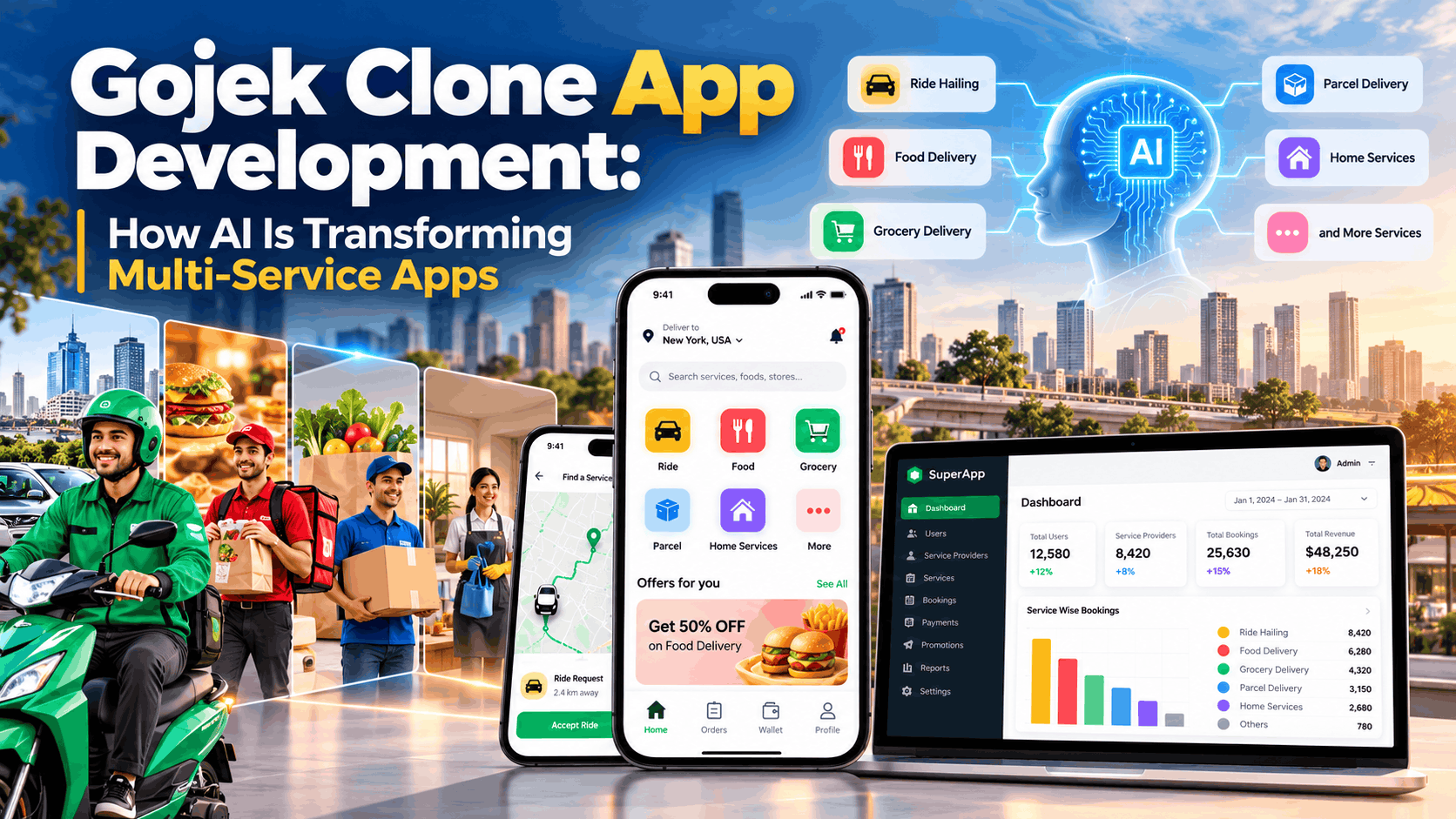
Customers increasingly expect digital platforms to handle multiple everyday needs through a single application. From booking rides and ordering food to purchasing groceries, sending parcels, and hiring professionals, convenience has become a major part of the digital service experience. This shift has created opportunities for entrepreneurs looking to build multi-service platforms inspired by successful super-app… Read More
From On-Demand to AI-Powered: The Next Generation of Apps
-
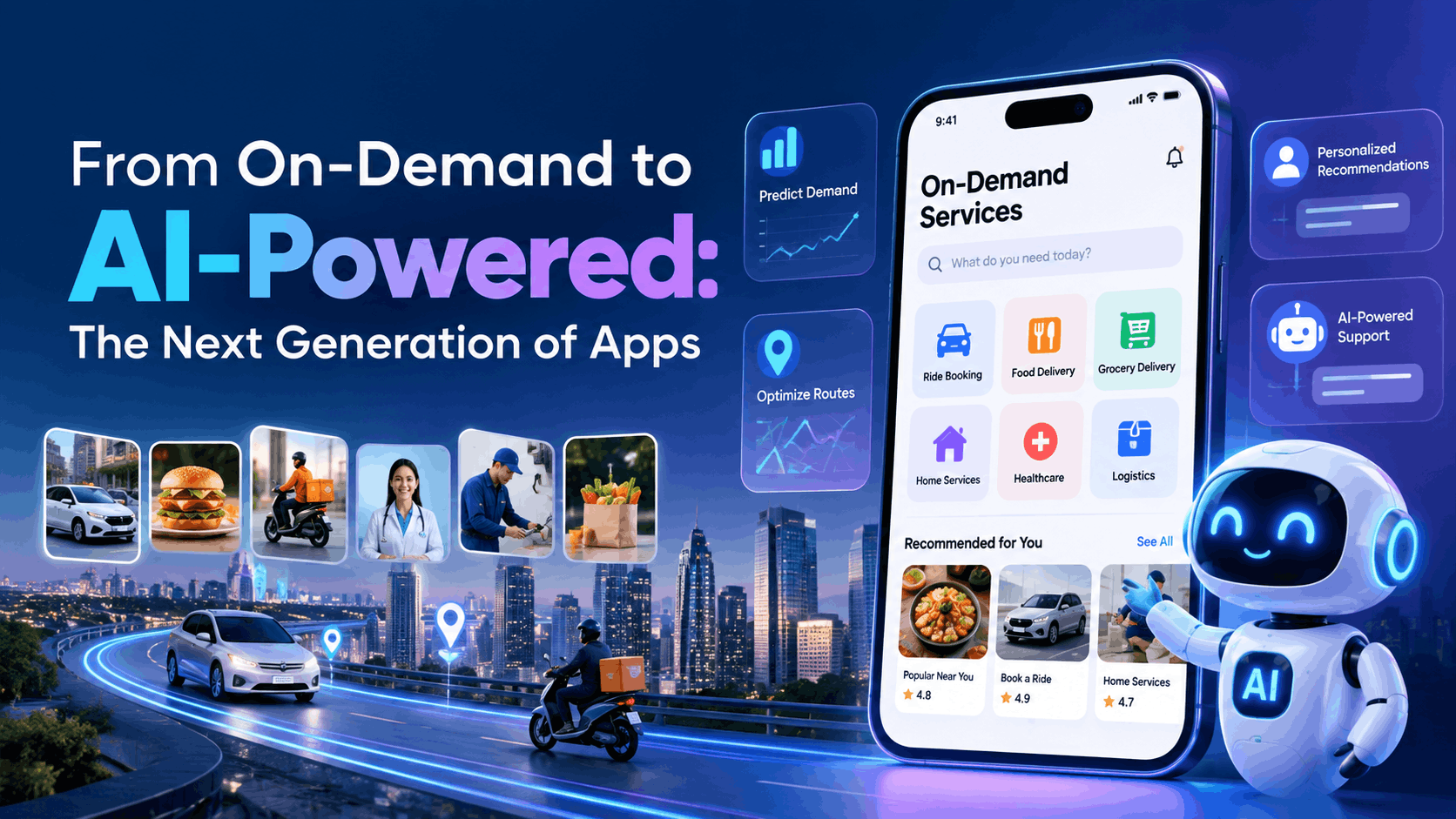
On-demand apps have changed the way people access transportation, food, healthcare, home services, deliveries, and other everyday services. Customers can request what they need, track progress, make payments, and receive services through a single digital platform. But customer expectations are changing. People increasingly want faster responses, personalized recommendations, accurate updates, and smoother digital experiences. Businesses,… Read More

How to Choose an On Demand App Development Company for Your AI-Powered Business
-
Businesses across industries are moving toward on-demand services as customers increasingly expect convenience, speed, and personalized experiences. From food delivery and transportation to healthcare, home services, logistics, and grocery delivery, on-demand platforms are changing how businesses connect with their customers. The market is also becoming increasingly intelligent. The global AI in transportation market is estimated… Read More
Recent Posts
 Gojek Clone App Development: How AI Is Transforming Multi-Service Apps
 From On-Demand to AI-Powered: The Next Generation of Apps
 How to Choose an On Demand App Development Company for Your AI-Powered Business
 AI in Transportation: How Artificial Intelligence Is Transforming the Way We Move
 How Courier App Development Improves Delivery Operations