
AI-Powered Courier Delivery Apps: Cost, Features & Expert Insights
-
Ankit Patel
- March 05, 2026
- 6 min read
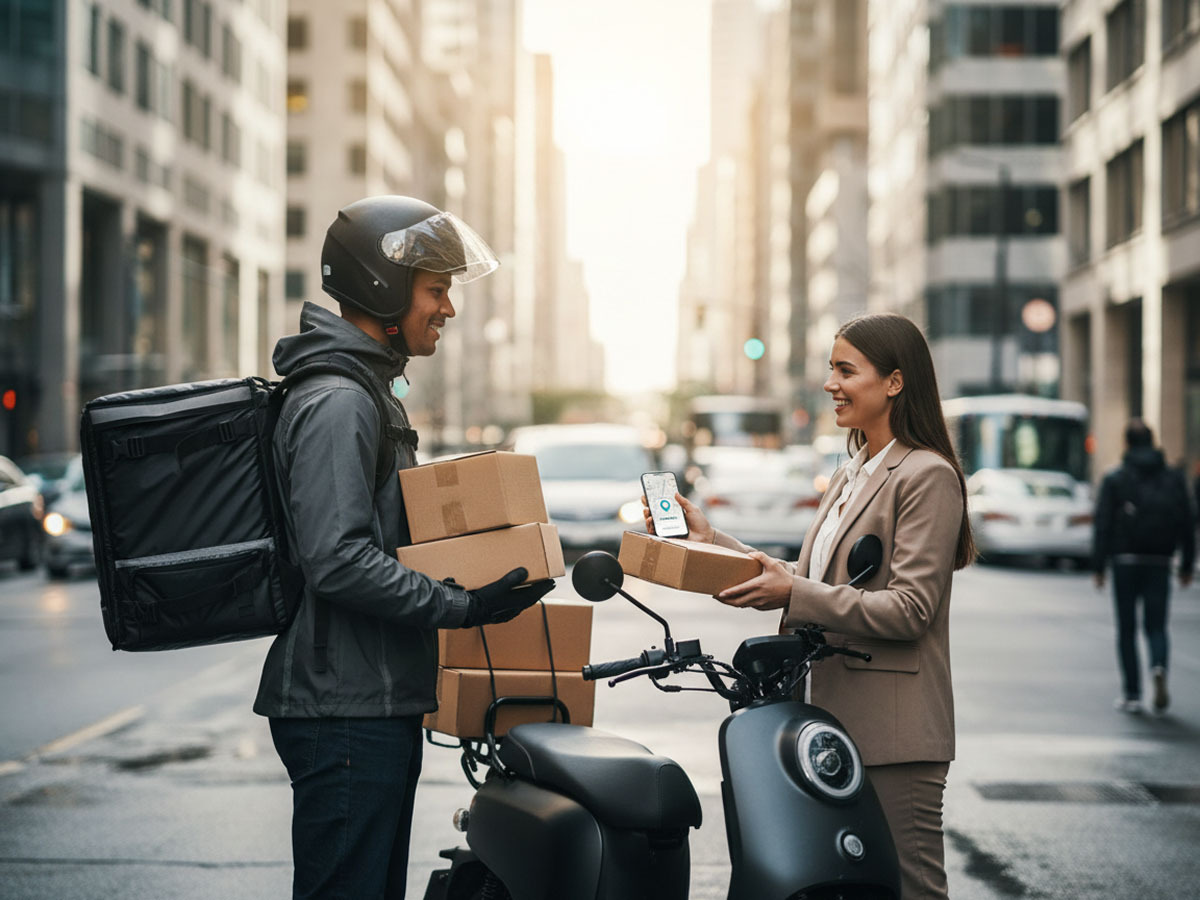
Imagine this. Your delivery team is juggling hundreds of packages, traffic is unpredictable, and customers are constantly calling to check the status of their orders. Every delay, missed delivery, or miscommunication costs you money and damages your reputation.
Now, imagine a system that thinks faster than any human, predicts the best routes, assigns the right driver for each delivery, and updates your customers in real-time. That system exists today. AI-powered courier delivery apps are transforming how logistics, transportation, and courier businesses operate. They turn chaos into precision, mistakes into predictability, and delays into on-time deliveries.
Businesses that have adopted AI in their delivery operations report up to 20 percent reduction in operational costs and faster, more accurate deliveries. This is not just technology for the sake of tech. It is a strategic advantage that gives your business the power to scale, improve customer satisfaction, and outperform competitors.
For courier, logistics, and transportation companies, ignoring AI is no longer an option. Those who embrace it are not just surviving; they are leading the industry. Partnering with a courier delivery app development company ensures your AI-powered solution is designed to deliver measurable results from day one.
Are you ready to transform your delivery business into a smarter, faster, and more reliable operation? AI is the key.
◉ Market Trends of Courier Delivery App Development
The courier and logistics industry is evolving rapidly. Businesses are no longer competing on speed alone; they are competing on efficiency, transparency, and customer experience. AI, automation, and data analytics are driving major changes in the way deliveries are planned, tracked, and executed.
Some key market trends include:
- AI-Driven Route Optimization: Companies are increasingly using AI to calculate the fastest and most fuel-efficient delivery routes. This reduces operational costs and improves on-time deliveries.
- Real-Time Tracking and Visibility: Customers now expect full transparency. Apps offering real-time tracking, live notifications, and delivery updates are becoming the standard.
- Integration with Multiple Platforms: Courier apps are connecting with e-commerce platforms, payment gateways, and warehouse management systems to streamline operations.
- Predictive Analytics for Demand Forecasting: AI models are helping businesses predict peak delivery periods and allocate resources efficiently, reducing delays and bottlenecks.
- Sustainability and Green Logistics: Optimized routes and smart fleet management are not only cost-efficient but also reduce carbon emissions, aligning businesses with global sustainability trends.
Market Insights:
- The global AI in logistics and supply chain market is booming. It was valued at $13.93 billion in 2025 and is projected to reach $50.41 billion by 2032.
- AI adoption in courier operations has surged, increasing by 42% from 2021 to 2023, with 68% of major courier companies now leveraging AI for supply chain management.
- By 2025, 75% of courier firms are expected to use AI-driven automation, up from 35% in 2020.
These trends confirm that AI-powered courier apps are not the future; they are the present. Early adopters are gaining operational efficiency, reducing costs, and enhancing customer experience.
◉ Different Types of Courier Delivery Apps
Courier delivery apps are designed to meet different business needs, and understanding their types helps you choose the right solution:
1. On-Demand Courier Apps
These apps let customers request instant pickup and delivery of packages. They are perfect for businesses offering fast, same-day deliveries. AI can optimize routes and assign drivers in real time to ensure efficiency.
2. Same-Day Delivery Apps
Focused on ultra-fast delivery, these apps prioritize urgent shipments. They are ideal for e-commerce, groceries, or time-sensitive packages. Features include real-time tracking, optimized routing, and driver allocation based on proximity and availability.
3. Parcel Tracking Apps
These apps focus on transparency. Customers can track their packages in real-time and receive notifications. Businesses benefit from fewer customer queries and increased trust.
4. Business-to-Business (B2B) Apps
Designed for companies delivering goods between businesses, these apps manage bulk shipments, recurring deliveries, and multiple delivery points. AI can predict demand and optimize resource allocation.
5. Enterprise Logistics Apps
For large-scale operations, these apps handle fleet monitoring, warehouse management, route optimization, and advanced analytics. AI integration helps forecast demand, monitor driver performance, and improve overall operational efficiency.
6. E-commerce Integration Apps
These apps connect directly with online stores, automating order management, shipment scheduling, and delivery tracking. They are essential for retailers aiming to provide seamless customer experiences.
7. Fleet Management Apps
Focused on drivers and vehicles, these apps track fleet usage, monitor vehicle health, and optimize routes. Predictive maintenance features prevent delays caused by vehicle breakdowns.
Choosing the right type depends on your business model, delivery volume, and operational goals. Working with a courier delivery app development company ensures you select and build the solution that fits your needs perfectly.

◉ Key Features of an AI-Powered Courier Delivery App
To build an app that transforms your business, it must go beyond basic tracking. Here are the features that make AI apps powerful:
• Real-Time Tracking with Predictive ETA
Customers want visibility. AI not only shows where the package is but also predicts accurate delivery times based on traffic, route conditions, and driver performance. This builds trust and reduces customer inquiries.
• Smart Dispatch and Driver Assignment
AI automatically assigns deliveries to the most suitable driver, considering location, workload, and vehicle capacity. This increases efficiency and ensures deliveries are completed on time.
• Route Optimization
AI algorithms continuously evaluate traffic patterns, weather conditions, and delivery priorities to select the fastest and most efficient routes. This reduces fuel consumption and allows more deliveries per day.
• Customer Notifications and Alerts
Automated updates inform customers about delivery status, delays, or changes. Proactive communication improves customer experience and builds loyalty.
• Analytics Dashboard
Managers gain insight into driver performance, delivery times, and operational bottlenecks. AI analytics help make data-driven decisions that improve efficiency and profitability.
• In-App Support and Chatbots
AI-powered chatbots handle routine queries such as tracking or rescheduling requests. This reduces support costs and allows human staff to focus on complex issues.
• Predictive Fleet Maintenance
AI monitors vehicle health and driver behavior, predicting maintenance needs before breakdowns occur. This prevents costly downtime and keeps deliveries on schedule.
• Smart Billing and Payment Integration
AI can automate invoicing, apply dynamic pricing, and track payment discrepancies. This ensures accurate revenue management and reduces human error.
These features combine to create a system that is intelligent, reliable, and scalable, designed to meet modern customer expectations while optimizing business operations.
You May Also Like: How Courier Delivery Apps Can Revolutionize Your Business Operations
◉ Cost to Build an AI‑Powered Courier Delivery App
One of the first questions businesses ask is how much it costs to build an AI-powered courier delivery app. The answer depends on the features you need, the platforms you want to target, the complexity of AI integration, and the location of the company you choose.
When we talk about the cost to build a courier delivery app, it depends on three main things:
- Scope of AI Features
- Platforms (iOS, Android, Web)
- Design, Testing, and Ongoing Support
Here’s what typical investments look like today:
| App Type | Features | Estimated Cost |
| Basic AI App | Real-time tracking, notifications, basic analytics | $25k – $35k |
| Mid-Level AI App | Smart dispatch, predictive ETA, route optimization, analytics dashboard | $40k – $80k |
| Enterprise AI App | Advanced predictive analytics, dynamic pricing, fleet monitoring, integrations | $80k – $150k or more |
Remember, this is just an estimation budget. To get an accurate cost, partner with an expert courier delivery app development company that helps build a scalable solution suited to your business size.

◉ Expert Insights for Courier Businesses
Industry experts emphasize several best practices for building successful AI-powered courier apps:
- Start with Core Features: Begin with essential features like tracking, dispatch, and route optimization, and scale AI functionalities over time.
- Focus on User Experience: An intuitive interface for both customers and drivers ensures high adoption and engagement.
- Leverage Data: Continuously collect and analyze delivery data to improve predictive models and operational efficiency.
- Plan for Scalability: Use modular architectures and cloud infrastructure to ensure the app can grow as your business expands.
- Work with Experts: A reliable logistics app development partner can help integrate AI intelligently and deliver a robust, scalable platform.
Implementing these practices ensures your AI-powered courier app not only meets current operational needs but also adapts to future challenges.
◉ Final Thoughts
Technology is changing the way courier and logistics businesses operate. To stay efficient and competitive, you need a clear understanding of the features and capabilities your AI-powered courier app should have. If you are planning to develop one, working with an experienced courier delivery app development company will ensure the process is smooth and the solution fits your business needs.
FAQs
1. How is AI reshaping the future of courier and logistics services?
AI is moving the courier industry from reactive operations to predictive logistics. By analyzing traffic, weather, and demand patterns in real time, AI allows businesses to optimize routes, allocate drivers efficiently, and anticipate delays—creating faster, more reliable, and cost-effective delivery services.
2. What advanced AI technologies are used in courier delivery apps?
Modern AI courier apps leverage multiple technologies:
- Machine Learning (ML) for predictive analytics and demand forecasting
- Computer Vision for automated package recognition and scanning
- Natural Language Processing (NLP) for AI chatbots and customer communication
- Optimization Algorithms for smart routing, fleet allocation, and real-time dispatch
These tools work together to improve efficiency, accuracy, and customer satisfaction.
3. Can AI in courier apps significantly reduce operational costs and delivery errors?
Yes. AI-driven apps can reduce operational costs by up to 20% by optimizing routes, minimizing idle time, predicting maintenance needs, and dynamically assigning deliveries. They also reduce human errors in scheduling, tracking, and billing, ensuring higher delivery accuracy and reliability.
4. How does AI improve customer experience in delivery services?
AI enhances customer experience through:
- Accurate, predictive delivery times
- Real-time package tracking and notifications
- Automated 24/7 customer support via chatbots
- Faster problem resolution and fewer missed deliveries
This not only boosts trust but also increases repeat business and brand loyalty.
5. What future trends in AI are shaping courier and logistics operations?
The future of AI-powered courier services includes:
- Autonomous delivery vehicles and drones for last-mile deliveries.
- IoT-enabled smart packages for real-time condition and location monitoring.
- Hyper-personalized delivery experiences using predictive analytics.
- Fully automated logistics networks that adjust dynamically to demand, weather, and traffic.
Businesses that adopt these innovations early gain a competitive edge and operational efficiency.

Ankit Patel is the Project Delivery Head at XongoLab Technologies LLP and PeppyOcean, leading mobile app development companies specializing in custom software & mobile app solutions. Passionate about technology and innovation, he enjoys writing about mobile & software development, business, and marketing. His articles have been featured on renowned publications, including YourStory, E27, Datafloq, JaxEnter, TechTarget, Adobe, DesignWebKit, InstantShift, Business Magazine, Simple Programmer, and many others.
You may also like
Gojek Clone App Development: How AI Is Transforming Multi-Service Apps
-
Customers increasingly expect digital platforms to handle multiple everyday needs through a single application. From booking rides and ordering food to purchasing groceries, sending parcels, and hiring professionals, convenience has become a major part of the digital service experience. This shift has created opportunities for entrepreneurs looking to build multi-service platforms inspired by successful super-app… Read More
From On-Demand to AI-Powered: The Next Generation of Apps
-
On-demand apps have changed the way people access transportation, food, healthcare, home services, deliveries, and other everyday services. Customers can request what they need, track progress, make payments, and receive services through a single digital platform. But customer expectations are changing. People increasingly want faster responses, personalized recommendations, accurate updates, and smoother digital experiences. Businesses,… Read More

How to Choose an On Demand App Development Company for Your AI-Powered Business
-
Businesses across industries are moving toward on-demand services as customers increasingly expect convenience, speed, and personalized experiences. From food delivery and transportation to healthcare, home services, logistics, and grocery delivery, on-demand platforms are changing how businesses connect with their customers. The market is also becoming increasingly intelligent. The global AI in transportation market is estimated… Read More
Recent Posts
 Gojek Clone App Development: How AI Is Transforming Multi-Service Apps
 From On-Demand to AI-Powered: The Next Generation of Apps
 How to Choose an On Demand App Development Company for Your AI-Powered Business
 AI in Transportation: How Artificial Intelligence Is Transforming the Way We Move
 How Courier App Development Improves Delivery Operations