
How AI Shapes the Future of On Demand App Development
-
Ankit Patel
- September 10, 2025
- 4 min read
The way people use mobile apps is changing fast. Today, customers don’t just want an app that connects them to services—they expect apps to be smart, fast, and personalized. Whether it’s booking a cab, ordering groceries, or scheduling a doctor’s appointment, users want everything at their fingertips with minimal effort.
These rising expectations are fueling the growth of the on-demand economy. But with so many apps competing for attention, how can businesses stand out and truly delight users? The answer lies in Artificial Intelligence (AI), the force transforming how apps deliver smarter, faster, and more personalized experiences.
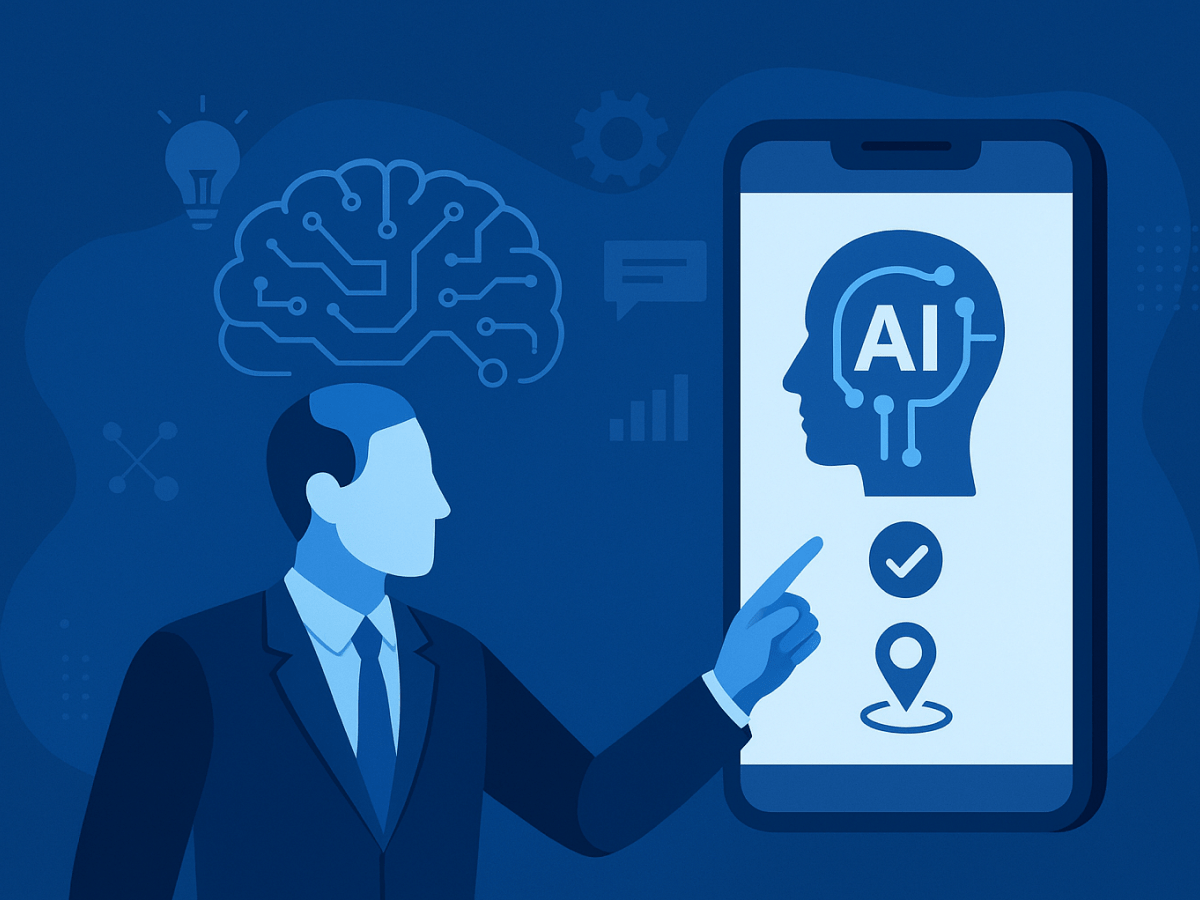
AI is no longer just a buzzword—it’s the driving force behind modern on demand app development. From personalized recommendations to automated operations, AI is reshaping how apps are built, how they function, and how they deliver value to customers.
In this blog, we’ll explore how AI shapes on-demand apps, real-world use cases, benefits, challenges, and the future of AI-powered solutions. Whether you’re a startup founder, product-based company, or enterprise leader, this guide will give you practical insights into building smart on-demand app solutions that succeed in today’s competitive digital landscape.
◉ Why AI is a Game-Changer for On-Demand Apps
The traditional role of on-demand apps was simple: connect users with service providers. But in today’s world, that’s not enough. Customers want personalized app experiences that feel tailored just for them.
By integrating AI into mobile apps, businesses can deliver exactly that. AI doesn’t just automate tasks—it learns from user behavior, predicts needs, and creates engaging experiences that drive loyalty.
For entrepreneurs and enterprises, AI opens doors to scalable growth, higher retention, and smarter decision-making. It turns ordinary apps into AI-powered on-demand solutions that users love coming back to.
◉ Key AI Use Cases in On-Demand Platforms
Let’s break down some of the most impactful AI use cases in on-demand platforms and how they’re shaping industries.
1. Personalized User Journeys
Imagine opening a food delivery app and instantly seeing dishes you love, or booking a ride and getting route suggestions based on your daily patterns. AI analyzes user behavior and purchase history to recommend the right product or service at the right time. This not only saves users time but also increases engagement and conversions.
2. Intelligent Automation in On-Demand Apps
Speed and efficiency are critical for on-demand platforms. With intelligent automation in on-demand apps, businesses can streamline operations like:
- Assigning the nearest driver automatically.
- Adjusting delivery charges based on demand.
- Managing inventory in real-time without human errors.
Automation reduces costs, improves service quality, and ensures users get faster, more reliable experiences.
3. Smarter Customer Support
Customer queries don’t follow office hours. That’s why on-demand platforms are adopting AI-powered chatbots to deliver instant assistance. These bots can:
- Answer FAQs instantly.
- Support multiple languages for global reach.
- Learn from past conversations to improve responses.
The result? Businesses cut support costs while delivering 24/7 customer service.
4. Predictive Analytics for Growth
Every on-demand app generates massive amounts of data. AI turns this data into insights using predictive analytics. Businesses can use it to:
- Forecast ride or order demand during peak hours.
- Predict customer churn and launch retention campaigns.
- Plan workforce and resource allocation more effectively.
This makes decision-making smarter, faster, and more accurate—something every startup and enterprise needs.
5. Smarter Security and Fraud Detection
Trust is key in the on-demand economy. AI-powered systems monitor transactions and user activity in real time. If unusual patterns are detected—like multiple failed payment attempts or suspicious logins—the system can take action instantly.
This ensures that every interaction on the platform is not just smooth but also secure, building trust between users and businesses alike.

◉ Benefits of AI-Driven App Development
Integrating AI into on-demand apps is not just about adding features—it’s about creating value. Here are the top benefits businesses can expect:
- Higher retention rates with personalization.
- Faster operations through automation.
- Improved scalability for startups and enterprises.
- Cost savings by reducing manual work.
- A competitive edge in crowded app markets.
Across industries, from food delivery to healthcare, AI empowers businesses to anticipate needs, act decisively, and create experiences that leave a lasting impression on users.
Read also: AI-Powered Taxi App Development: A Complete Guide
◉ Challenges in AI-Powered On-Demand Apps
While the benefits are clear, adopting AI also comes with challenges that businesses must be prepared for:
- High initial investment in AI infrastructure and talent.
- Data privacy concerns, especially in industries like healthcare.
- Skill gaps in AI and machine learning expertise.
- Integration complexities with existing systems.
For startups, these challenges may feel overwhelming, but partnering with an experienced AI development company can help reduce risks and accelerate implementation.

◉ Future of On-Demand App Development
The future of on demand app development will be shaped by deeper AI integration. Here’s what to expect in the coming years:
- Hyper-personalized apps that adapt to each user in real-time.
- Voice-enabled interactions are making apps more accessible.
- AI + AR/VR integrations are creating immersive experiences.
- Autonomous delivery solutions using drones and self-driving vehicles.
- Smarter business dashboards for CTOs and product managers.
For entrepreneurs and enterprises, leveraging AI development services today means building solutions that will remain relevant tomorrow.
◉ How Startups and Enterprises Can Get Started
If you’re planning to build or scale an on-demand platform, here are practical steps to start integrating AI:
- Define the problem – Focus on areas where AI can add real value, like customer support or delivery optimization.
- Leverage existing AI APIs – Instead of building everything from scratch, use AI tools that are already available.
- Prioritize data collection – High-quality data is essential for AI to work effectively.
- Partner with experts – Partnering with the right experts today ensures your platform is prepared for current demands and future opportunities.
◉ Wrapping up
AI is redefining on-demand apps, transforming them from simple service platforms into intelligent, responsive, and reliable experiences. By anticipating user needs, streamlining operations, and enabling smarter decisions, AI empowers businesses to not just compete—but lead. For anyone building or scaling an on-demand platform, embracing AI is no longer optional; it’s the foundation for innovation, growth, and lasting impact.

Ankit Patel is the Project Delivery Head at XongoLab Technologies LLP and PeppyOcean, leading mobile app development companies specializing in custom software & mobile app solutions. Passionate about technology and innovation, he enjoys writing about mobile & software development, business, and marketing. His articles have been featured on renowned publications, including YourStory, E27, Datafloq, JaxEnter, TechTarget, Adobe, DesignWebKit, InstantShift, Business Magazine, Simple Programmer, and many others.
You may also like
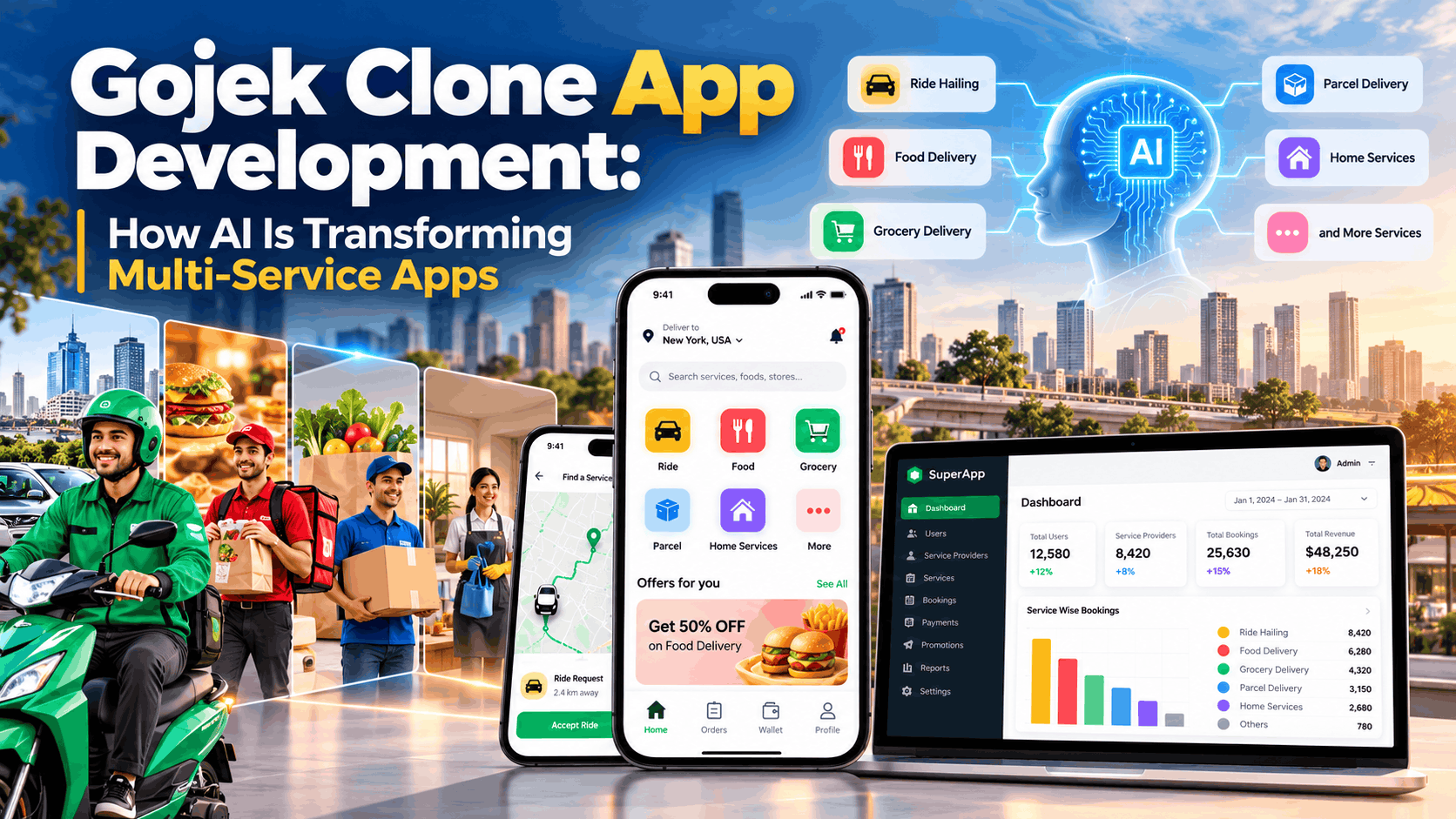
Gojek Clone App Development: How AI Is Transforming Multi-Service Apps
-
Customers increasingly expect digital platforms to handle multiple everyday needs through a single application. From booking rides and ordering food to purchasing groceries, sending parcels, and hiring professionals, convenience has become a major part of the digital service experience. This shift has created opportunities for entrepreneurs looking to build multi-service platforms inspired by successful super-app… Read More
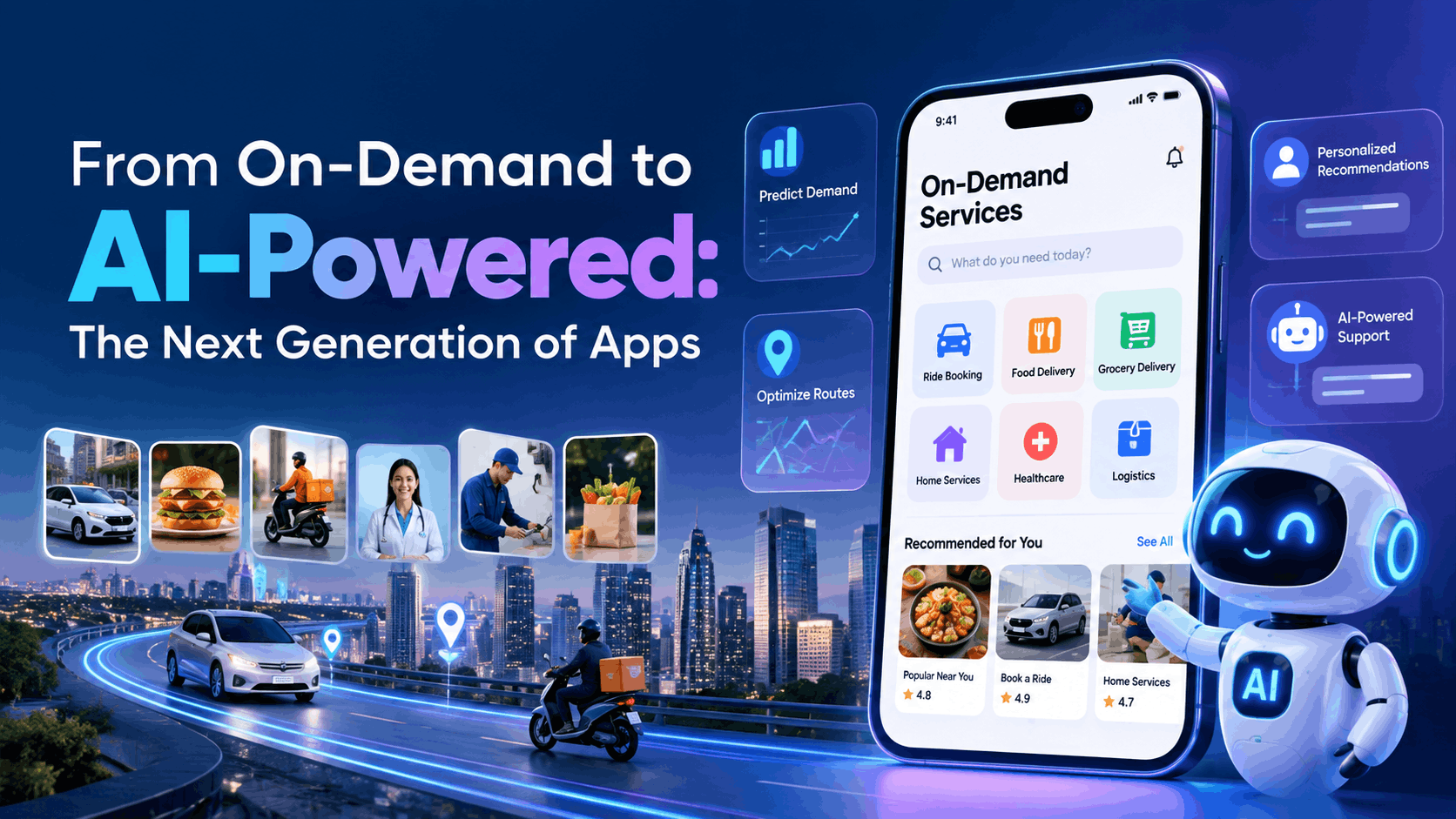
From On-Demand to AI-Powered: The Next Generation of Apps
-
On-demand apps have changed the way people access transportation, food, healthcare, home services, deliveries, and other everyday services. Customers can request what they need, track progress, make payments, and receive services through a single digital platform. But customer expectations are changing. People increasingly want faster responses, personalized recommendations, accurate updates, and smoother digital experiences. Businesses,… Read More

How to Choose an On Demand App Development Company for Your AI-Powered Business
-
Businesses across industries are moving toward on-demand services as customers increasingly expect convenience, speed, and personalized experiences. From food delivery and transportation to healthcare, home services, logistics, and grocery delivery, on-demand platforms are changing how businesses connect with their customers. The market is also becoming increasingly intelligent. The global AI in transportation market is estimated… Read More
Recent Posts
 Gojek Clone App Development: How AI Is Transforming Multi-Service Apps
 From On-Demand to AI-Powered: The Next Generation of Apps
 How to Choose an On Demand App Development Company for Your AI-Powered Business
 AI in Transportation: How Artificial Intelligence Is Transforming the Way We Move
 How Courier App Development Improves Delivery Operations